
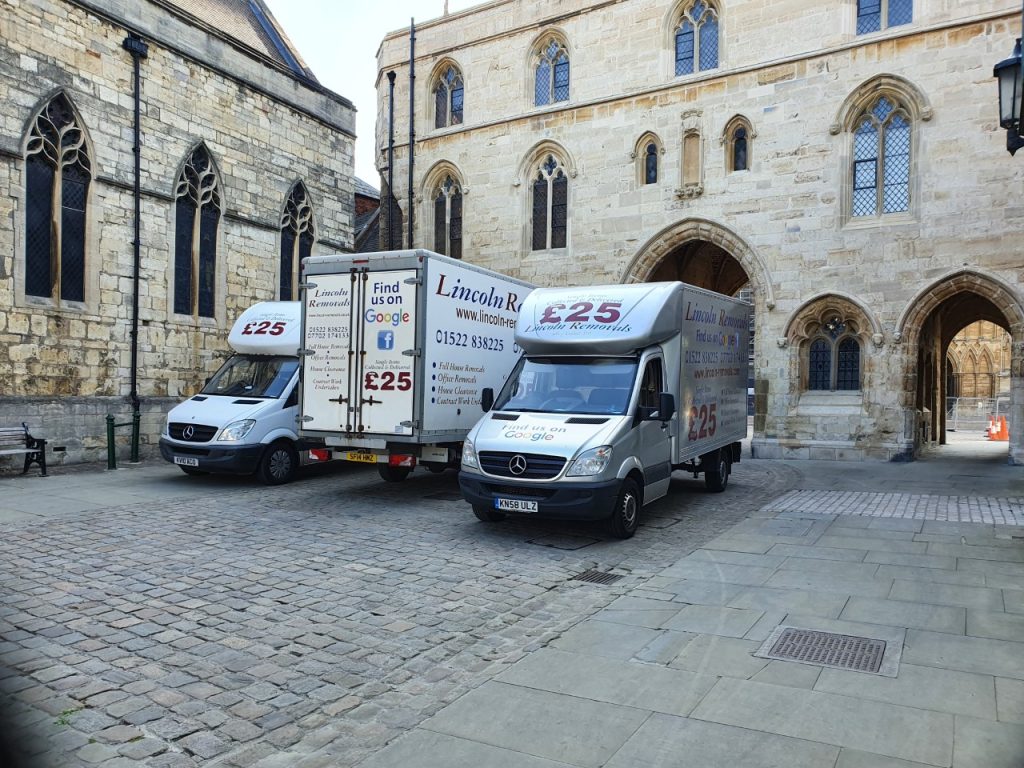
Not every move needs a large removal crew. If you only have a few items, a compact flat move, a delivery run or something awkward that will not fit in a car, a man and van service can be a practical middle ground.
The key is knowing what kind of move is the right fit. This guide explains the move sizes and situations that often suit a man and van booking, what to check before you book, and when a different removal option may be more suitable.
What a man and van service is best suited to
A man and van service is usually designed for smaller moves, item transport and light haulage where flexibility matters. It is often chosen when the load is too much for a car, but not large enough to justify a full household removal.
Typical jobs include moving furniture, collecting purchases, shifting boxes, transporting equipment, helping with a small flat move, or moving items into storage. The service can also be useful when you need loading help as well as transport, especially for heavier pieces that are awkward to carry alone.
The main thing to think about is volume. If your belongings would fill a large part of a full removal lorry, you may be moving beyond the usual scope of a van booking. If the load is closer to a few bulky items, several boxes, a small room, or a compact living space, it may be a good match for a professional man and van service.
Access matters too. A smaller vehicle can often be useful where parking, loading distance or timing needs careful planning. That does not mean every small move is simple, but it does mean the booking can often be shaped around the actual job instead of treated like a standard full house move.
Single item and few item moves

Single item transport is one of the clearest uses for a man and van service. This might be a sofa, wardrobe, dining table, mattress, appliance, desk, filing cabinet or boxed equipment. It is especially useful when the item is too large for a private car or needs careful lifting.
A few item move is similar. You might be moving a bed, chest of drawers and several boxes, or collecting multiple pieces from a seller, supplier or relative. In these situations, the job is not really a full removal, but it still needs the right vehicle and someone who can handle the loading safely.
Before booking, measure the largest items and check whether they dismantle. A wardrobe that comes apart may be straightforward, while one that has to travel fully assembled can change the space needed in the van. It is also worth mentioning stairs, tight doorways, lifts, parking limits and whether the item is fragile or unusually heavy.
Some single items need specialist handling. For example, pianos should not be treated like ordinary furniture because weight distribution, access and protection are more involved. If that is what you need to move, it is better to look at specialist piano removals rather than assuming a standard van booking will be right.
Small home moves and room moves
A man and van booking can suit a small home move when the volume is modest. This could be a room in a shared property, a compact flat, a student style move, or a move where most furniture is staying behind and only personal belongings are being transported.
The easiest way to judge suitability is to picture the load by room. A bedroom with clothes, books, a desk, a chair and several boxes may be well suited. A whole home with beds, sofas, wardrobes, appliances, garden items and many boxes may need a larger removals plan.
Box count is often underestimated. Twenty neat boxes can take more space than expected once furniture, bags and loose items are added. If you are unsure, list everything room by room and include the items that are easy to forget, such as mirrors, lamps, rugs, plants, tools and cleaning supplies.
It is also sensible to think about timing. A small move with everything packed and ready can be handled efficiently. A move where packing is still happening, furniture needs dismantling, or there are several pick up and drop off points may still be suitable, but the booking should allow for that extra work.
If your move starts to include most of a household, larger furniture sets or several rooms of belongings, home and office removals may be a better fit because the planning, crew size and vehicle choice can be matched to a larger workload.
Office items, equipment and light haulage
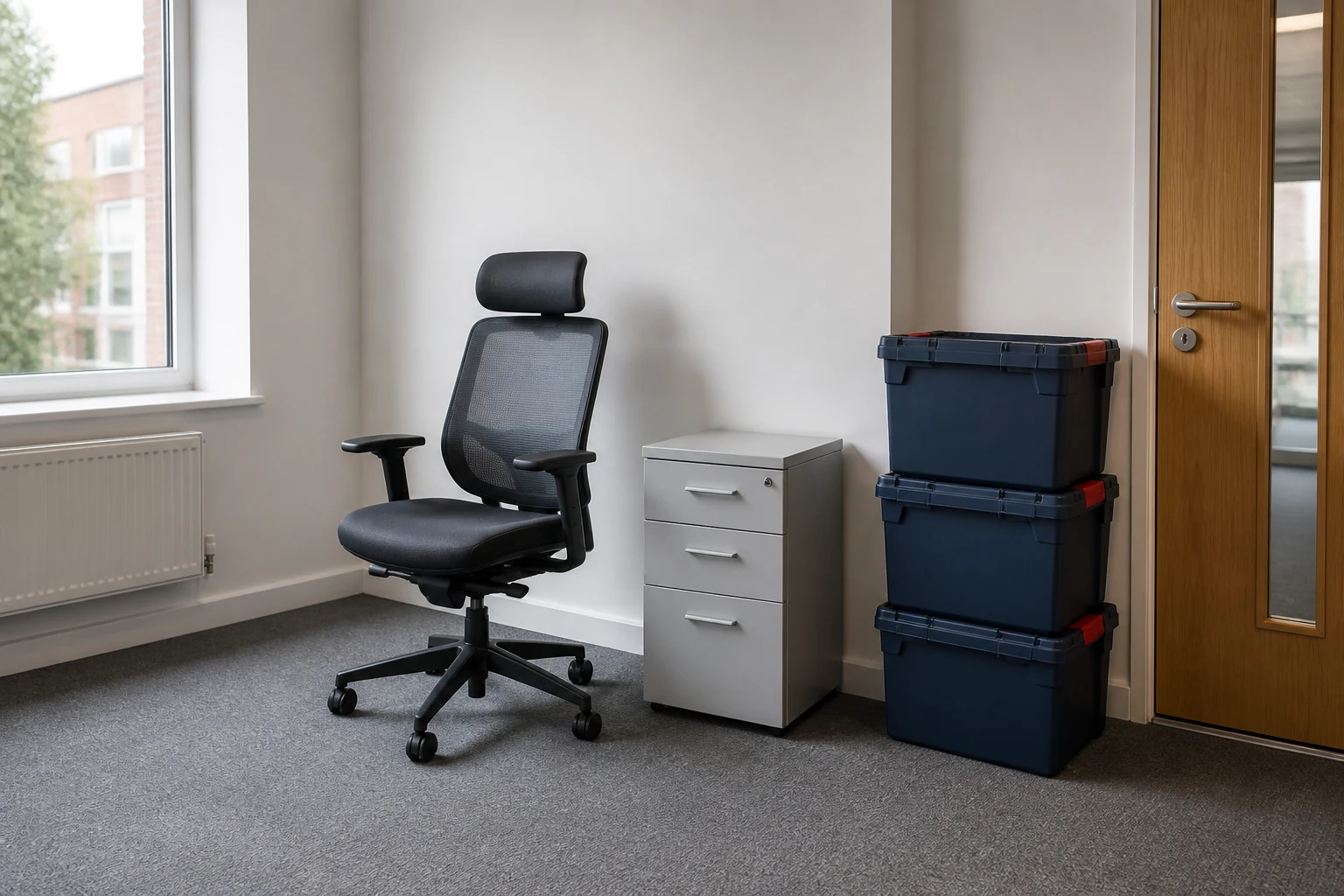
Man and van services are not only for household items. They can also suit small office moves, equipment transport and light haulage. This might include moving desks, chairs, monitors, boxed stock, archive files, display materials, tools or event equipment.
For business moves, the most important detail is organisation. Label boxes clearly, separate fragile equipment, remove loose cables and make sure important documents are packed securely. If items need to arrive in a particular order, say so before the move so the van can be loaded with unloading in mind.
Light haulage is a good phrase for jobs that sit between courier work and full removals. It might involve larger items, multiple boxes or goods that need careful handling rather than being treated as a small parcel. A van service can be useful when you need practical transport with loading support, rather than a doorstep only delivery.
Where the job is mostly about transporting items from one address to another, rather than moving a whole home or office, local and national deliveries may also be worth considering. The right option depends on the size, handling needs and route of the items.
Storage runs and staged moves

A man and van service can be a good fit for storage trips. You may be clearing space before decorating, moving seasonal items, storing furniture between properties, or taking boxes out of the way during a gradual move.
Storage runs are often smaller than full moves, but they still benefit from good planning. Put heavier boxes at the bottom, protect furniture corners, wrap delicate items and avoid using weak bags for anything sharp or heavy. If items will be stored for a while, label them clearly so you are not left opening every box later.
A staged move can also work well with a van booking. Instead of moving everything in one go, you might move non essential items first, then larger or everyday items later. This can be helpful when dates do not line up neatly or when you want to reduce pressure on the main moving day.
If you need somewhere to keep items between collections, decorating work or a later move, storage solutions can support the practical side of the plan. The best approach is to think about what needs to remain accessible and what can be packed away without being needed soon.
How to decide if your move is the right size
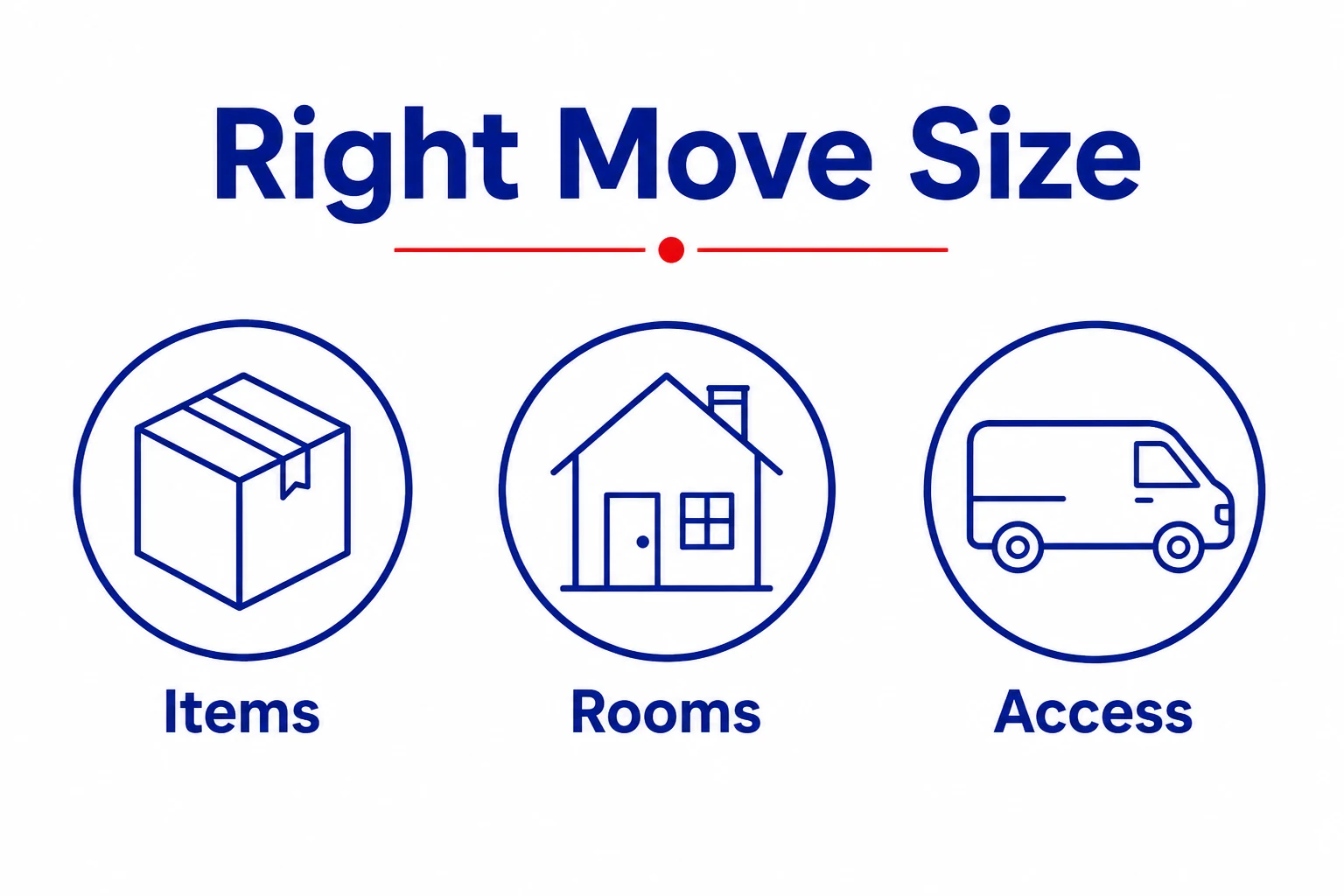
A useful test is to make a simple inventory. Write down every large item, then estimate the number of boxes and bags. Include anything in cupboards, loft spaces, sheds, garages or office storage because these are often missed during early planning.
Next, look at the shape of the load. A dozen boxes may be simple, but a dozen boxes plus a long sofa, a tall wardrobe and an exercise machine is a different job. Awkward dimensions can matter as much as total volume.
Then consider access. Stairs, narrow halls, restricted parking, lifts, loading bays and walking distance can all affect the time and help needed. A suitable man and van booking is not just about whether the items fit in the vehicle. It is also about whether they can be moved safely and sensibly at both ends.
Finally, be honest about packing. If everything is boxed, sealed and ready, a smaller move is usually easier to assess. If there are loose items everywhere, fragile belongings without protection, or furniture that still needs dismantling, mention this when enquiring. Clear information helps the removals team advise properly and allocate the right time.
When in doubt, send a detailed list rather than guessing. A good removals company would rather understand the job properly at the start than leave you unsure about whether the service is suitable.
- A man and van service often suits single items, a few bulky items, small room moves, light haulage and storage runs.
- The right fit depends on volume, item size, access, packing and whether specialist handling is needed.
- Small home or office moves can work well when the load is limited and clearly listed before booking.
- Large household moves, multiple room moves or specialist items may need a fuller removals service.
Frequently asked questions
How much can usually go in a man and van move?
It depends on the vehicle, item sizes and how the load is packed. As a general guide, a man and van service is best for smaller loads such as a few furniture items, several boxes, a room move or light haulage rather than a full household move.
Is a man and van service suitable for furniture collection?
Yes, it can be a practical option for collecting furniture that is too large for a car. Share the item measurements, collection details, access information and whether the item needs dismantling before booking.
Can a man and van help with office equipment?
Often, yes. Desks, chairs, boxed files, monitors and small office loads may suit a van booking. Fragile equipment should be packed carefully, labelled clearly and discussed in advance.
When is a man and van service not the best choice?
If you are moving most of a large home, have several rooms of furniture, need a larger crew, or have specialist items such as a piano, a dedicated removals service may be more appropriate.
Need help choosing the right move size?
If you are unsure whether your job suits a man and van booking, Lincoln Removals can help you talk through the load, access and timing so you can choose the most practical option.